
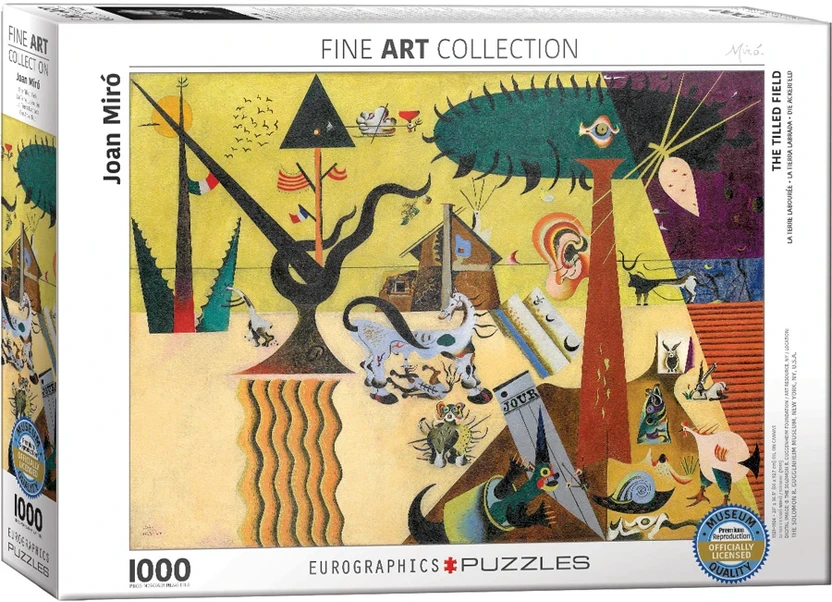
The Allure of the Art Puzzle: More Than Just a Game
Sep 28th 2026
Puzzles have a way of turning looking into doing, which is one reason an art puzzle can appeal to people who enjoy both creativity and a good challenge.
There is something satisfying about a puzzle that doesn't reveal everything at once. You begin with a collection of disconnected pieces and an image that may be difficult to understand in its incomplete state. Slowly, patterns emerge, colors begin to connect, and shapes that seemed meaningless suddenly make sense. That process is part of the attraction.
Why Completing an Art Puzzle Continues to Fascinate People
Jigsaw puzzles ask us to pay attention to details that might otherwise go unnoticed. A small change in color, the edge of a figure, a section of a building, or the direction of a brushstroke can help determine where a piece belongs. When the finished image is a famous painting or carefully selected artwork, solving the puzzle also becomes a different way of looking at art. So you are studying how its individual parts fit together.
That makes art puzzles particularly interesting for people who already enjoy museums and galleries. A painting that might take only a few minutes to view in an exhibition can occupy someone's attention for hours when transformed into a jigsaw. The experience is slower and more hands-on.
Puzzles Encourage Creative Thinking
Puzzles aren't usually described as art lessons, but they can encourage several habits that are useful in creative work. First, there's observation. A puzzle requires you to notice distinctions between pieces that may look almost identical. You learn to look at color, shape, texture, lines, and spatial relationships rather than relying on a quick glance.
Then there's experimentation. You try one piece, realize it doesn't belong, and move on. Sometimes you have to reconsider an assumption you've made about where a particular section fits. The important part is that being wrong isn't a failure. It's simply information that helps you try another approach.
That process has a lot in common with creative work. Artists experiment constantly. A sketch may not work as expected. A color combination may need changing. A composition may look better after something is moved or removed. Puzzles offer young people a low-pressure way to become comfortable with that kind of trial and adjustment.
There is also the pleasure of discovery. When a difficult section finally comes together, the satisfaction comes from understanding something that wasn't obvious at first. The answer feels earned rather than handed over.
Why Puzzles Are Valuable for Young People
For children and teenagers, an art puzzle can be more than something to do on a rainy afternoon. Working through a puzzle encourages patience and sustained attention. Young people have to keep looking, testing possibilities, and remembering what they've already learned about the image. Those habits can support creative projects because making art rarely produces an immediate finished result.
Puzzles can also help develop visual awareness. A child working on an artwork-based puzzle may begin noticing how colors relate to one another, how objects are positioned, and how a larger image is built from smaller visual elements.
That doesn't mean every puzzle needs to become an educational exercise. Children should also be allowed to enjoy puzzles simply because they're fun. The learning happens naturally through the activity.
Perhaps most importantly, art puzzles can introduce young people to artists and artworks without making the experience feel like a formal lesson. Instead of being told to memorize an artist's name or study a painting, they're spending time with the image itself. That kind of familiarity can make art feel more approachable.
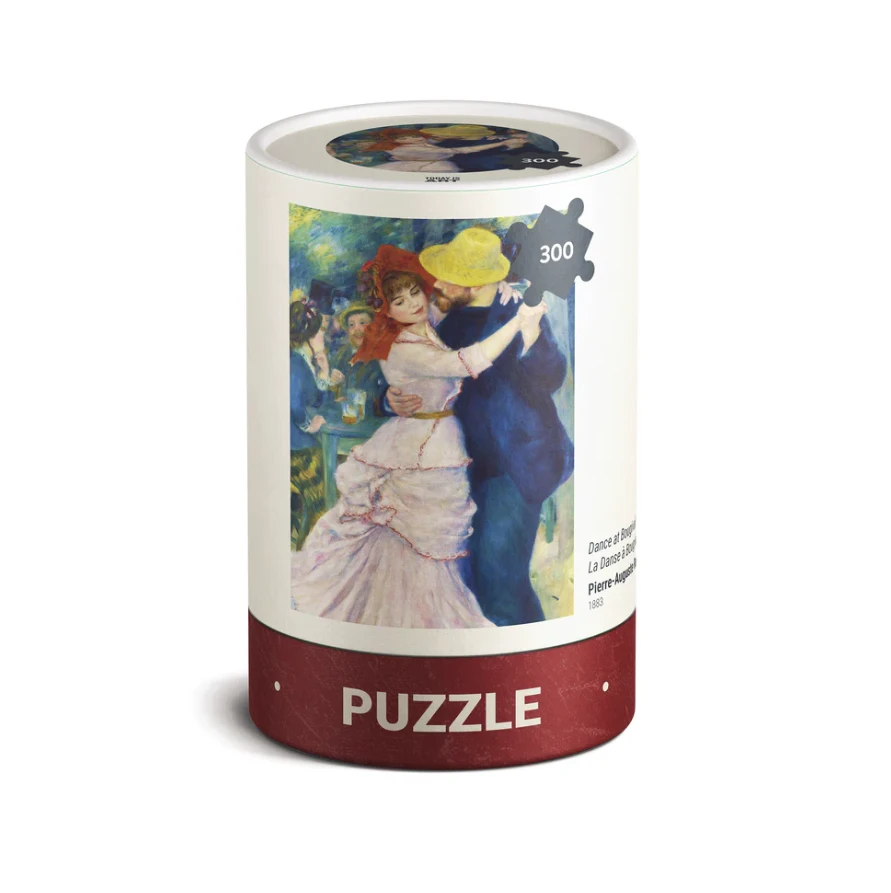
MFA Shop Boston Brings Artwork to the Puzzle Table
Our museum gift shop offers art puzzles based on artwork from its wider collection, giving puzzle enthusiasts a chance to spend time with recognizable and visually engaging works in a completely different setting.
The selection includes larger, more demanding jigsaw puzzles for people who enjoy taking on a project over several hours or days. There are also options designed with younger puzzlers in mind, making the collection suitable for different ages and experience levels. The appeal isn't limited to the challenge of completing the image. The artwork itself becomes part of the experience.
A detailed painting can be surprisingly difficult to assemble because similar colors or repeated patterns may appear throughout the composition. On the other hand, a work with strong shapes and clearly defined areas may provide more obvious visual clues. Either way, the character of the original artwork affects how the puzzle feels to solve.
The MFA Shop collection includes images and clear reproductions of the world's greatest artworks. You're engaging with art that has its own history, visual language, and place within a museum collection.
More Than a Game
Calling these products games doesn't quite capture the experience. A puzzle can be social, with family members or friends gathering around a table and gradually completing the image together. It can also be solitary. Some people enjoy the quiet concentration of working alone, especially after a busy day.
And once it's finished, a beautiful art puzzle doesn't necessarily have to disappear straight back into its box. Depending on the design and how it is displayed, the completed image can become a decorative feature in a room. That gives the activity a second life. The hours spent solving it become part of the story behind the finished piece.
For young people, this can be especially rewarding. Completing a challenging artwork gives them a tangible result they can point to and say, "I made this." They may not have created the original painting, but they have interacted with it closely and reconstructed it piece by piece.

Choosing the Right Art Puzzle
The best choice depends on the person receiving it. A younger child may appreciate a smaller puzzle with a manageable number of pieces. An experienced puzzler might prefer a detailed 1,000-piece reproduction that can become a weekend project.
It's also worth thinking about the artwork itself. Does the recipient have a favorite artist? Do they prefer landscapes, portraits, bold colors, or intricate compositions? Choosing an image that already interests them can make the experience much more personal. For someone who loves art, the subject matter can be just as important as the difficulty.
The appeal of MFA Shop Boston's puzzles comes from the combination of challenge and visual discovery. For children, they can nurture observation and creative confidence; for adults, they offer a relaxing way to reconnect with art. That's why an art puzzle from our museum shop can be much more than a game. It's an interactive experience with the artwork itself, and one that can leave you appreciating the original in a completely different way.