
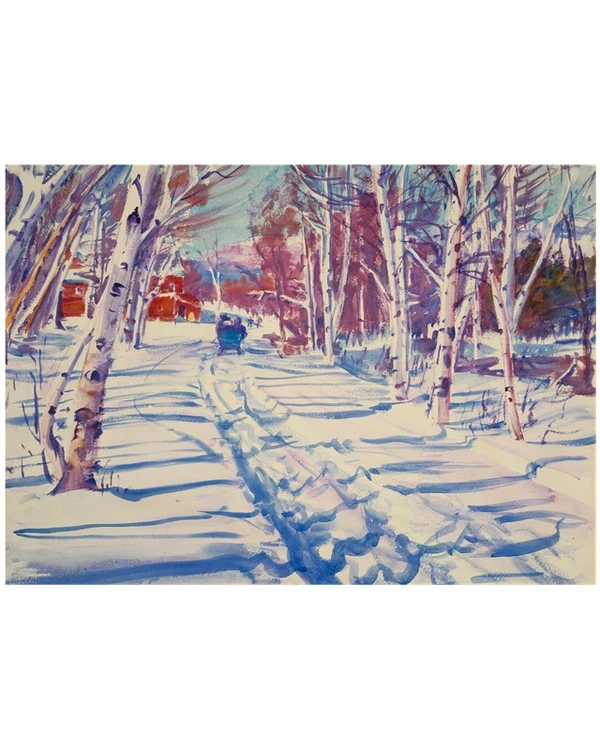
Get Unique Art Christmas Cards at the MFA Shop
Aug 27th 2026
When the holiday season arrives, art Christmas cards offer something that a quick text message or social media post simply cannot: a tangible reminder that someone took the time to think about you. Today, when most communication happens instantly and disappears just as quickly, sending a physical Christmas card can feel surprisingly personal. It requires choosing a card, writing a message, addressing an envelope, and putting it in the mail. None of those steps are difficult, but together they show a level of thoughtfulness that is easy to overlook in an age of digital communication.
The History of Christmas Cards
The Christmas card itself has a long history. The tradition began in Victorian England, when the first commercial Christmas cards were produced in the nineteenth century. Early cards were quite different from many of the familiar designs seen today. Instead of relying solely on snow-covered landscapes or Santa Claus, they featured a variety of decorative and seasonal imagery. As printing became more accessible, the cards spread to other countries and became a regular part of holiday customs. Their popularity continued through the twentieth century, even as the ways people communicated changed.
That history helps explain why the physical card still has a place at Christmas. A holiday greeting is not only about the words being delivered. It is also about the gesture itself. Receiving an envelope in the mailbox with a familiar name on it creates a small moment of anticipation. Opening it feels different from seeing a notification appear on a phone. A card can be placed on a mantel, displayed on a shelf, or added to a collection of other greetings. For a few weeks, it becomes part of the home rather than something that exists only on a screen.
A Personal Note Involves Effort and Care
There is also something meaningful about the effort involved. Most people have busy lives, especially during the weeks leading up to Christmas. Taking the time to write a personal note shows that the recipient was worth stopping for. The message does not have to be lengthy or especially clever. A few sincere sentences about the year, a shared memory, or simply wishing someone well can be enough. What matters is that the greeting feels intended for that particular person rather than sent to an entire contact list.
Christmas cards can also help maintain relationships that might otherwise become less active. Friends move to different cities, relatives live in other countries, and colleagues eventually go their separate ways. The holiday season provides a natural opportunity to reconnect. Sending a card says, in a very simple way, that the relationship has not been forgotten. For older family members in particular, receiving physical mail can carry considerable sentimental value. A card can become something they keep rather than something they read once and delete.
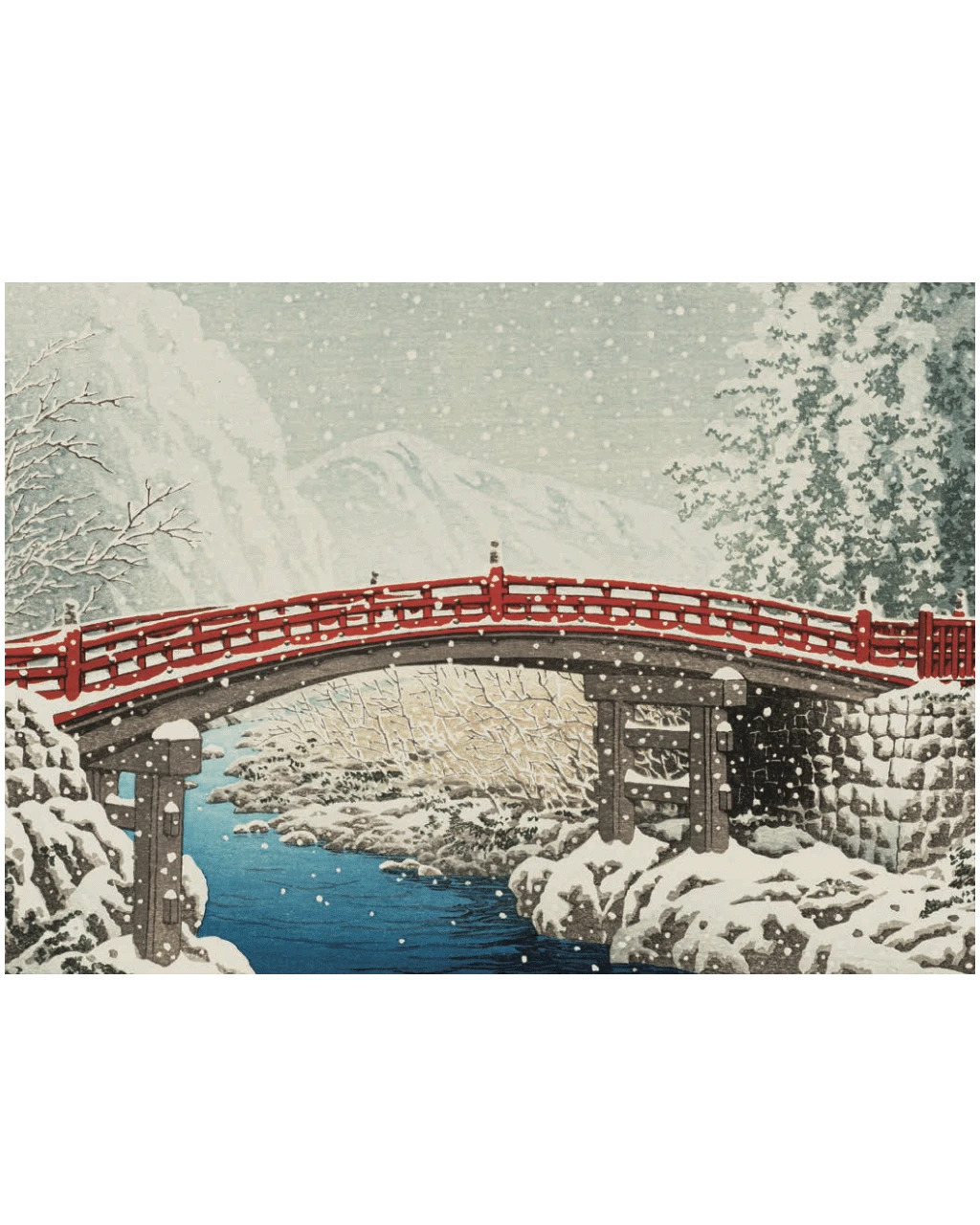
Art Christmas Cards are Distinctive and Unique
The choice of card adds another dimension to the tradition. While there is nothing wrong with a conventional Christmas design, selecting a card featuring a work of art makes the greeting feel more distinctive. Art has always played a role in the way people mark important occasions, and a beautifully reproduced painting can give a holiday card a character of its own. Instead of being merely seasonal, the card becomes a small introduction to an artist and a work that the recipient may not otherwise encounter.
This is especially appealing for people who enjoy museums and art. A card featuring a well-known painting can start a conversation about an artist, a particular period in art history, or a memorable museum visit. It can also reflect something about the person sending it. Choosing a painting by an artist you admire is more personal than picking a generic design from a stack of identical cards. The artwork becomes part of the message.
Artistic cards also have the advantage of lasting beyond Christmas. Once the holidays are over, a traditional seasonal card may be packed away with the decorations. A card featuring a striking work of art has a different quality. Someone may keep it because they like the image, frame it, use it as a bookmark, or display it among other artwork. In that sense, the greeting has a life beyond the occasion for which it was originally sent.
Get Art Cards at the MFA Shop in Boston
At the Museum of Fine Arts, Boston, we make this approach particularly appealing. Our shop offers cards featuring works from the museum's extensive artistic holdings, giving shoppers the opportunity to choose designs with genuine cultural and artistic significance. Rather than spending hours searching for something that feels both festive and personal, shoppers can select from artwork connected to one of America's major museums. For someone who loves art, receiving such a card can feel like receiving a tiny piece of the museum itself.
There is a practical advantage as well. Preparing for Christmas can become overwhelming when there are gifts to buy, meals to organize, decorations to put up, and messages to send. Having access to attractive, ready-to-send cards makes one part of that preparation much simpler. The MFA Shop's art cards provide an easy way to combine a holiday greeting with an appreciation for art. They can be chosen for relatives, close friends, colleagues, or anyone who would enjoy receiving something a little different in the mail.
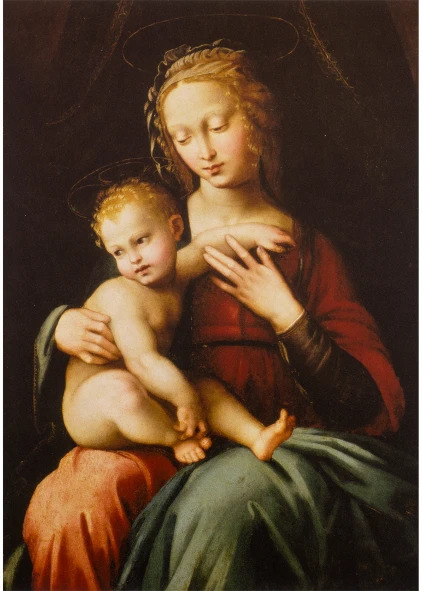
The museum connection gives these cards another layer of meaning. The Museum of Fine Arts, Boston is home to an extraordinary range of art from different periods, cultures, and artistic traditions. When a work from its collection appears on a holiday card, the recipient is not simply receiving a decorative image. They are being introduced to a piece of art that has its own history and place within a larger collection. For museum enthusiasts, that connection can make an otherwise ordinary Christmas greeting much more memorable.
It also gives a sense of permanence to the tradition. Digital greetings are convenient, and there is certainly a place for them. A text or email can reach someone instantly, particularly when sending a physical card is not practical. But convenience is not always the same thing as meaning. A physical card asks for a little more effort, and that effort is part of what makes it special. Years from now, someone may come across a box of old Christmas cards and remember exactly who sent them and what was happening in their life at the time. Digital messages rarely create the same physical record.
Sending Christmas cards is less about preserving an old-fashioned habit than about making room for a more deliberate kind of communication. In a season that can easily become dominated by shopping, notifications, and rushing from one obligation to another, writing a card provides an opportunity to slow down and acknowledge the people who matter. Choosing artwork instead of a generic holiday image makes that gesture even more personal, particularly when the card reflects an appreciation for culture and creativity. For anyone looking to make holiday preparations easier while sending something thoughtful and memorable, our museum gift shop offers an appealing selection of art Christmas cards that bring together the warmth of a personal greeting and the lasting pleasure of great art.